No products in the cart.
Ketamine Depression Treatment in the UK: How It Works, Availability, Costs, and What Patients Should Know (2026 Guide)
Depression is one of the most common mental health conditions in the United Kingdom. According to the National Health Service, millions of people experience depressive symptoms each year, and a significant number do not respond well to traditional antidepressant medications. This situation has led clinicians and researchers to explore alternative treatments that can help individuals who struggle with persistent or treatment-resistant depression.
One of the most discussed developments in modern psychiatry is ketamine-based therapy. Originally developed as an anesthetic, ketamine has gained attention for its rapid antidepressant effects in certain patients. Over the past decade, clinical research and specialized treatment centers have investigated how ketamine may help people experiencing severe or treatment-resistant depression.
This guide explains how ketamine treatment for depression works in the UK, its legal and clinical framework, potential benefits, risks, costs, and what patients should consider before seeking this type of therapy.
Understanding Depression and Treatment Resistance
Depression affects mood, energy levels, sleep patterns, and overall quality of life. Many patients are treated with medications such as selective serotonin reuptake inhibitors (SSRIs), psychotherapy, or lifestyle interventions.
However, some individuals develop treatment-resistant depression (TRD). This condition occurs when:
Two or more antidepressant medications fail to produce adequate improvement.
Symptoms persist despite psychotherapy and lifestyle changes.
Patients experience recurrent depressive episodes.
For individuals with TRD, psychiatrists often consider alternative strategies such as neuromodulation therapies, medication adjustments, or emerging treatments like ketamine.
What Is Ketamine?
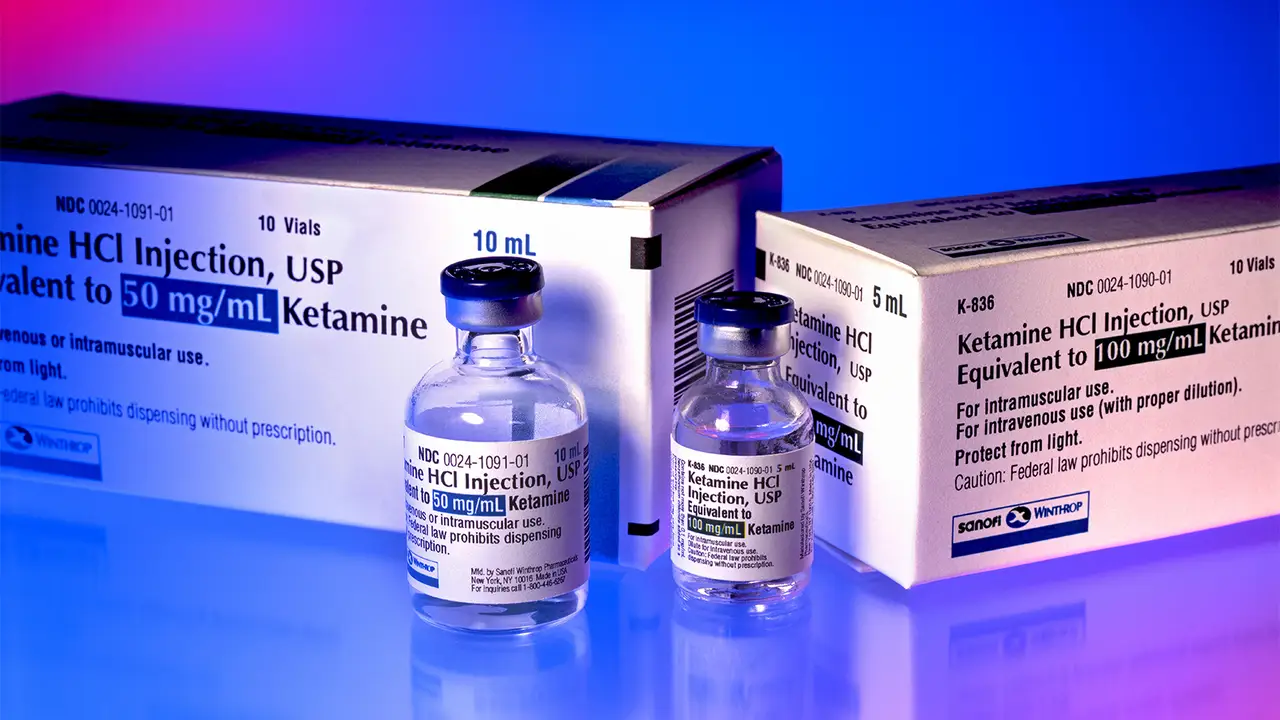
Ketamine is a medication originally used for anesthesia and pain management. It has been widely used in hospitals since the 1970s.
Over time, researchers discovered that ketamine may produce rapid antidepressant effects, often within hours or days. This is significantly faster than traditional antidepressants, which can take several weeks to become effective.
Ketamine acts on a different neurochemical pathway than most antidepressants. Instead of primarily influencing serotonin or norepinephrine, ketamine targets glutamate signaling in the brain.
How Ketamine Works for Depression
Ketamine’s antidepressant effects are believed to involve several neurological mechanisms:
1. Glutamate Modulation
Ketamine influences glutamate, the most abundant excitatory neurotransmitter in the brain. By modifying glutamate signaling, ketamine may help restore neural communication pathways affected by depression.
2. Synaptic Growth
Research suggests ketamine may promote synaptic plasticity, meaning it helps the brain form new neural connections. This process may improve mood regulation and cognitive functioning.
3. Rapid Symptom Reduction
Unlike many antidepressants that require weeks to work, ketamine therapy may reduce symptoms within hours in some patients.
These mechanisms have made ketamine a subject of intense research in psychiatric medicine.
Ketamine Treatment Methods in the UK
In clinical settings, ketamine therapy is typically administered under strict medical supervision. Common treatment formats include:
Intravenous (IV) Infusion
This is one of the most common approaches used in specialized clinics.
Ketamine is administered slowly through an IV line.
Treatment sessions usually last around 40–60 minutes.
Patients are monitored during and after treatment.
Intramuscular Injection
Some clinics use injections rather than IV infusions. This method delivers a controlled dose directly into muscle tissue.
Nasal Spray Treatments
A ketamine-related medication called esketamine nasal spray has been approved for treatment-resistant depression in several countries.
Esketamine is marketed under the brand Spravato, developed by Johnson & Johnson.
It is approved in many regions with strict prescribing rules and must be administered in a supervised clinical environment.
Legal Status of Ketamine in the UK
In the UK, ketamine is classified as a Class B controlled substance under the Misuse of Drugs Act 1971.
This classification means:
Ketamine can be legally prescribed for medical purposes.
Possession without a prescription is illegal.
Distribution outside medical or research contexts is prohibited.
Medical use must occur under supervision from licensed healthcare professionals.
Availability of Ketamine Therapy in the UK
Ketamine therapy is not typically offered as a first-line treatment through the National Health Service.
Instead, it may be available through:
specialist psychiatric clinics
private treatment centers
clinical trials or research programs
Access often requires a referral from a psychiatrist or mental health professional.
Cost of Ketamine Depression Treatment in the UK
Costs vary widely depending on the clinic and treatment method.
Typical private clinic estimates include:
Initial consultation: £150–£300
Single ketamine infusion session: £400–£800
Treatment packages (multiple sessions): £2,000–£5,000
Many patients undergo a series of sessions over several weeks before transitioning to maintenance therapy.
Because ketamine therapy is still considered an emerging treatment in psychiatry, insurance coverage may be limited in some cases.
Potential Benefits of Ketamine Therapy
Ketamine treatment has shown promising results in clinical research. Some potential benefits include:
Rapid Symptom Relief
Patients may experience improvements in mood and suicidal thoughts within hours or days.
Help for Treatment-Resistant Depression
Individuals who have not responded to traditional antidepressants may find relief through ketamine therapy.
Improved Brain Plasticity
Ketamine may promote neural repair processes that improve cognitive and emotional functioning.
Reduction in Suicidal Ideation
Some studies have reported significant reductions in suicidal thoughts shortly after treatment.
However, results vary between individuals, and ketamine therapy is not effective for every patient.
Potential Side Effects and Risks
Ketamine treatment can produce side effects, particularly during or shortly after administration.
Common short-term side effects include:
dizziness
nausea
dissociation (feeling detached from surroundings)
elevated blood pressure
fatigue
These effects usually subside within a few hours after treatment.
Long-Term Risks
Frequent or unsupervised ketamine use can lead to health problems, including:
bladder complications
cognitive impairment
dependency risks
For this reason, ketamine therapy should always be conducted under medical supervision.
Who May Be a Candidate for Ketamine Treatment?
Doctors may consider ketamine therapy for patients who:
have treatment-resistant depression
have not responded to multiple antidepressants
experience severe depressive episodes
are under psychiatric care
A full psychiatric assessment is typically required before treatment begins.
Alternative Treatments for Depression
Ketamine therapy is only one option among several treatments for depression. Other approaches include:
Antidepressant Medications
Common medication classes include SSRIs, SNRIs, and atypical antidepressants.
Psychotherapy
Cognitive behavioral therapy (CBT) and other therapy methods remain central to depression treatment.
Neuromodulation Therapies
Procedures such as electroconvulsive therapy (ECT) or transcranial magnetic stimulation (TMS) may be recommended in severe cases.
Lifestyle Interventions
Exercise, sleep regulation, nutrition, and stress management can also support mental health recovery.
Future Research on Ketamine Therapy
Research into ketamine treatment continues to evolve.
Scientists are exploring:
optimal dosing strategies
long-term safety
new ketamine-based medications
combination therapies with psychotherapy
As clinical trials continue, ketamine therapy may become more widely integrated into psychiatric treatment guidelines.
Frequently Asked Questions (FAQ)
Is ketamine therapy legal in the UK?
Yes. Ketamine can be legally prescribed for medical purposes under supervision from licensed healthcare professionals. However, unauthorized possession or distribution is illegal.
How quickly does ketamine work for depression?
Some patients experience improvements within hours or days after treatment, which is much faster than many traditional antidepressants.
Is ketamine treatment available through the NHS?
In most cases, ketamine therapy is not widely available through the National Health Service for depression. It is more commonly offered in private clinics or research programs.
How many ketamine sessions are typically required?
Treatment plans vary. Some patients receive 4–6 sessions over several weeks, followed by occasional maintenance sessions depending on response.
Is ketamine therapy safe?
When administered in controlled medical settings, ketamine treatment is generally considered safe. However, it can cause side effects and should only be used under professional supervision.
Can ketamine cure depression?
Ketamine is not considered a cure for depression. Instead, it may provide relief from symptoms and help patients who have not responded to other treatments.
Conclusion
Ketamine therapy has emerged as a promising treatment option for individuals experiencing treatment-resistant depression. By targeting different neurological pathways than traditional antidepressants, ketamine may provide rapid symptom relief for some patients.
In the UK, ketamine treatment is regulated and typically offered through specialized clinics under medical supervision. While it may not be suitable for everyone, ongoing research continues to explore its potential role in modern psychiatric care.
Individuals considering ketamine therapy should consult qualified mental health professionals to discuss whether this treatment may be appropriate for their specific situation and to understand the potential benefits and risks involved.