
No products in the cart.
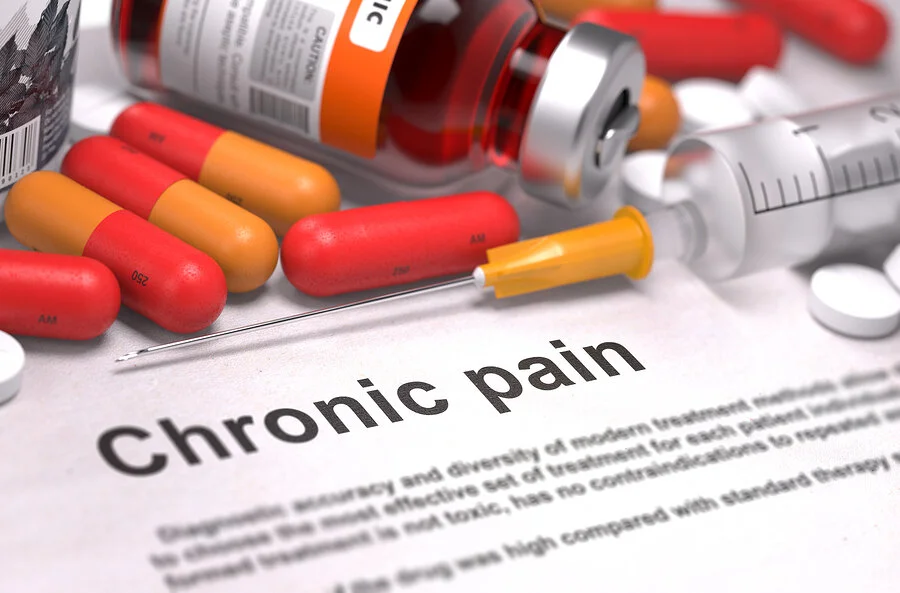
Strongest Prescription Painkillers in the UK: Uses, Risks, and Legal Guidance (2026 Guide)
Pain is one of the most common medical complaints in the United Kingdom, ranging from acute injuries to chronic conditions. While over-the-counter medications like paracetamol or ibuprofen are often effective for mild to moderate pain, more severe pain may require strong prescription painkillers. These medications, also known as opioids or narcotic analgesics, are prescribed under strict medical supervision due to their potency and potential for dependency.
This guide provides a detailed overview of the strongest prescription painkillers available in the UK, their medical uses, risks, legal status, and safe usage guidelines.
Understanding Strong Prescription Painkillers
Prescription painkillers are medications intended to manage moderate to severe pain. They are primarily divided into:
1. Opioid Analgesics
Opioids are the most potent painkillers and include medications like:
Morphine
Oxycodone
Fentanyl
Hydromorphone
These drugs act on the central nervous system to reduce the perception of pain and provide relief when other medications are ineffective.
2. Combination Analgesics
Some prescription medications combine opioids with other pain relievers:
Co-codamol – Codeine + paracetamol
Co-dydramol – Dihydrocodeine + paracetamol
These are often used for moderate pain that does not respond to single-drug therapy.
How Strong Painkillers Work
Opioids work by binding to opioid receptors in the brain, spinal cord, and other parts of the body. This reduces the transmission of pain signals and alters the emotional response to pain.
Key mechanisms:
Blocking pain signals in the nervous system
Changing the perception of pain in the brain
Providing sedative and calming effects
Because these drugs are powerful, their use requires careful dose monitoring and medical supervision.
Common Strong Prescription Painkillers in the UK
1. Morphine
Uses: Severe pain from cancer, surgery, or trauma
Forms: Oral tablets, liquid solutions, injections, patches
Risks: Respiratory depression, constipation, dependence
2. Oxycodone
Uses: Chronic pain, post-surgery pain
Forms: Modified-release tablets, immediate-release tablets
Risks: Addiction, drowsiness, nausea, constipation
3. Fentanyl
Uses: Severe chronic pain, especially in cancer patients
Forms: Patches, lozenges, injections
Risks: Extremely potent, high overdose risk, respiratory depression
4. Hydromorphone
Uses: Severe pain not controlled by other opioids
Forms: Tablets, injections
Risks: Addiction potential, drowsiness, nausea
5. Codeine and Dihydrocodeine (Moderate Strength)
Uses: Mild to moderate pain, often combined with paracetamol
Risks: Dependency over prolonged use, constipation
Legal Status of Strong Painkillers in the UK
In the UK, the Misuse of Drugs Act 1971 and Misuse of Drugs Regulations 2001 regulate prescription painkillers:
Class A, B, or C controlled substances depending on potency
Prescription-only medications (POM)
Strict pharmacy and prescribing protocols
Possession without a prescription or misuse of these drugs is illegal and can carry severe penalties, including imprisonment.
Risks and Side Effects
Strong prescription painkillers are effective but carry significant risks:
Short-Term Side Effects
Drowsiness and sedation
Nausea and vomiting
Constipation
Dizziness
Long-Term Risks
Physical dependence and addiction
Tolerance (requiring higher doses for effect)
Respiratory depression (especially with high doses)
Cognitive impairment
Because of these risks, medical supervision is essential.
Safe Use Guidelines
Patients prescribed strong painkillers should:
Follow the doctor’s instructions carefully
Never exceed recommended doses
Avoid alcohol or sedatives while taking opioids
Store medications securely to prevent misuse
Report side effects immediately
Doctors may also recommend pain management plans combining medication with physical therapy, cognitive therapy, or lifestyle interventions.
Alternatives to Strong Opioids
For some patients, non-opioid or combination approaches may be safer:
NSAIDs: Ibuprofen, naproxen
Paracetamol: Mild to moderate pain
Topical analgesics: Creams or gels for localized pain
Non-drug therapies: Physiotherapy, acupuncture, cognitive behavioral therapy
Frequently Asked Questions (FAQ)
What is the strongest prescription painkiller available in the UK?
Fentanyl and hydromorphone are considered among the strongest. Morphine and oxycodone are also highly potent and widely prescribed.
Are strong painkillers safe to use long-term?
Long-term use carries significant risks, including dependency, tolerance, and organ issues. Long-term therapy should always be monitored by a medical professional.
Can I get prescription painkillers without a doctor’s consultation?
No. In the UK, all strong prescription painkillers are prescription-only medications (POM). Possession without a prescription is illegal.
How do I know if I need a strong painkiller?
Doctors typically prescribe strong painkillers when other medications do not provide sufficient relief, or for severe acute or chronic pain.
Are there safer alternatives to opioids for pain management?
Yes. Non-opioid medications, combination therapy, physiotherapy, and lifestyle interventions can be effective for many types of pain.
Conclusion
Strong prescription painkillers are a critical tool for managing severe pain in the UK, but they must be used carefully under medical supervision due to the high potential for side effects and dependence. Understanding the types, mechanisms, risks, and legal regulations is essential for safe and effective treatment.
Patients experiencing severe pain should consult qualified healthcare professionals to determine the most appropriate medication and treatment plan. By combining careful use of opioids with alternative therapies, individuals can manage pain effectively while minimizing health risks.
Buy Percocet Online UK – Safe Choices for Pain Relief
Risks of Buying Prescription Medicines Online in the UK
risks of buying percocet online without medical supervision
Where to Buy Diphenhydramine Online Safely in the UK