
No products in the cart.
Ketamin
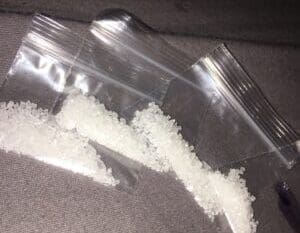
penalties for ketamine possession
23
Dec
Dec
Penalties for Ketamine Possession in the United Kingdom
1. Introduction
Ketamine is a psychoactive substance that has legitimate medical and veterinary applications, but it is also widely used illicitly for its dissociative and hallucinogenic effects. In the United Kingdom, unauthorised possession of ketamine is a criminal offence, governed by the Misuse of Drugs Act 1971 (MDA). The legislation sets out specific penalties for possession, supply, production, and related drug offences, with severity tied to the drug’s classification within UK law. Release+1
2. Legal Classification of Ketamine
Under current UK law, ketamine is classified as a Class B controlled drug under the Misuse of Drugs Act 1971. Class B includes substances considered to pose a moderate level of harm, grouped alongside drugs such as cannabis, amphetamines, and codeine derivatives. GOV.UK
Key Points of Classification
- Ketamine was originally a Class C drug but was upgraded to Class B in 2014 due to rising recreational misuse and associated health harms. Drug Prevention Alliance
- As a Class B substance, ketamine is illegal to possess, supply, distribute, import, or produce without authorisation. Lawful possession is generally limited to licensed medical and veterinary contexts.
3. Penalties for Possession of Ketamine
3.1 Maximum Penalties Under Current Law
Police and prosecutors treat possession of ketamine seriously, with penalties determined by the severity of the offence and court jurisdiction. The maximum penalties for a Class B controlled drug include:
a. Possession (Personal Use)
- Up to 5 years’ imprisonment, and/or
- An unlimited fine, and/or
- Both imprisonment and a fine. GOV.UK
b. Possession with Intent to Supply (PWITS)
- Up to 14 years’ imprisonment, and/or
- An unlimited fine, and/or
- Both. Release
While this is not strictly “possession for personal use,” law enforcement may upgrade charges to PWITS based on evidence such as quantities, packaging, scales, or communications suggesting distribution. Moeen & Co. Solicitors
4. Sentencing in Practice
4.1 Sentencing Factors Courts Consider
When determining an appropriate punishment, courts consider a range of aggravating and mitigating factors, including:
- Quantity of ketamine possessed
- Previous convictions for drug offences
- Whether there is evidence of intent to supply (e.g., packaging or financial records)
- The offender’s age and personal circumstances
- Whether the offence is linked to organised crime
- Public safety considerations and patterns of misuse
A first-time offender caught with a small, personal-use quantity may receive a fine, community order, or caution rather than immediate imprisonment, especially if there are strong mitigating circumstances.
4.2 Summary vs. Indictable Proceedings
Ketamine possession can be dealt with either:
- Summary-only in a Magistrates’ Court, typically for less serious personal-use cases, or
- Indictable in a Crown Court for more serious charges — especially if there is evidence of intent to supply or large quantities involved. GOV.UK
5. Potential Changes to Ketamine Law
In 2025, the UK Home Office formally requested a review of ketamine’s classification, with expert advice being sought on whether the substance should be reclassified from Class B to Class A — placing it alongside heroin and cocaine. GOV.UK
5.1 Why Reclassification Is Being Considered
- Recorded ketamine use reached historic levels among adults aged 16–59, prompting public health concerns. GOV.UK
- Health risks associated with chronic misuse, including kidney and bladder damage, are significant. Drug Prevention Alliance
5.2 Implications of Reclassification
If reclassified as Class A, the legal penalties for ketamine offences would become more severe:
- Possession: Maximum penalty would rise to up to 7 years’ imprisonment and/or unlimited fine. Scottish Legal News
- Supply/Production: Maximum could become life imprisonment and/or unlimited fine. Scottish Legal News
As of late 2025, these changes remain under review and have not yet been enacted into law.
6. Police Powers and Enforcement
6.1 Arrest and Search
Police have broad powers to stop, search, arrest, and detain individuals suspected of possessing controlled drugs like ketamine. If drugs are found, officers may seize the substance and initiate prosecution.
6.2 Cautions and Diversion Schemes
In some cases, particularly for first-time offenders caught with small amounts, police may issue a formal caution or diversionary education programme instead of pursuing criminal charges — though this is at the discretion of the force and prosecutor. Reddit
These measures aim to balance enforcement with treatment and rehabilitation, reducing the burden on courts and fostering preventative outcomes.
7. Associated Offences and Related Penalties
7.1 Supply and Distribution
Supplying ketamine (selling or sharing) carries far higher penalties than simple possession. For Class B drugs, supply or distribution can lead to up to 14 years’ imprisonment and/or an unlimited fine. GOV.UK
7.2 Production and Importation
Producing, importing, or exporting ketamine are serious criminal offences and can attract similarly high penalties, often involving multi-year custody sentences depending on scale and circumstances. Moeen & Co. Solicitors
7.3 Drug Driving
Under UK law, driving while impaired by drugs—and in some cases simply having specified levels of certain substances in the bloodstream—can lead to driving disqualifications, fines, and imprisonment. Ketamine use can result in sanctions under drug driving offences. Moeen & Co. Solicitors
8. Impact of a Conviction
A conviction for ketamine possession can have enduring consequences beyond criminal penalties:
- Criminal record, which may affect future employment or travel
- Immigration consequences for non-UK nationals
- Increased scrutiny in future legal matters
- Potential loss of professional licenses
Even absent a custodial sentence, fines and convictions can significantly affect personal and professional life.
9. Frequently Asked Questions
Q1. What is the maximum prison sentence for ketamine possession in the UK?
Under current law (Class B classification), the maximum penalty for possession of ketamine is up to 5 years’ imprisonment and/or an unlimited fine. GOV.UK
Q2. Does a first-time offence always lead to prison?
No. Courts may impose less severe penalties such as fines, community orders, or even cautions for first-time offenders, particularly when the quantity is small and circumstances are mitigating. Sentencing is highly fact-dependent.
Q3. Can I be charged with supplying ketamine if I share it with friends?
Yes. If evidence supports an inference of intent to supply (such as packaging, scales, or communications about selling), you can be charged with supplying or possession with intent to supply, which carries much harsher penalties. Moeen & Co. Solicitors
Q4. Is ketamine being reclassified to a more serious offence category?
The UK government is reviewing whether ketamine should be reclassified as a Class A drug, which would increase penalties, but no change has been implemented as of late 2025. GOV.UK
Q5. What happens if I am caught with ketamine at a music festival or nightclub?
Police can arrest and charge individuals found in possession of illegal drugs at events. Even small amounts may lead to prosecution unless the police offer a diversionary measure or formal caution.
Q6. Are there defences if I am charged with ketamine possession?
Common legal defences can include lack of knowledge, mistaken identity of the substance, or procedural errors by police (e.g., unlawful search). Legal advice from a qualified solicitor is essential for case-specific guidance.
10. Conclusion
Ketamine possession in the UK is a serious criminal offence with significant legal penalties. While the current maximum sentence for personal possession under Class B provisions is up to five years in prison and/or an unlimited fine, real-world outcomes vary depending on context, quantity, and individual circumstances. GOV.UK
Additionally, the UK government’s ongoing review of ketamine’s classification underscores a shifting legal landscape and growing public health concerns. Potential reclassification to Class A would raise the stakes substantially, making understanding and adhering to the law even more imperative for citizens and residents.
