
No products in the cart.
Ketamin
Local Ketamine Rocks Delivery
27
Dec
Dec
Local Ketamine Rocks “Delivery” in the UK: Health, Legal and Public Safety Awareness
Introduction
Ketamine is a medication with legitimate medical and veterinary uses, primarily as an anaesthetic. In the United Kingdom, it is classified as a Class B controlled substance under the Misuse of Drugs Act 1971. This means that possession, supply, or distribution outside of approved medical contexts is illegal and subject to criminal penalties.
In recent years, there has been increased public concern about the online marketing of illicit drug supply services, including so-called “local ketamine rocks delivery” advertised on social platforms, messaging apps, or darknet marketplaces. This content is intended to raise health awareness, public safety, and legal awareness about ketamine, its risks, and how the law applies.
What Is Ketamine?
Ketamine is a dissociative anaesthetic first developed in the 1960s. In clinical settings, it is used for:
- Inducing and maintaining anaesthesia
- Pain management
- Treatment-resistant depression, under specific clinical supervision
The substance affects the brain by interfering with the neurotransmitter glutamate, especially at the NMDA receptor. This results in a dissociative state, providing anaesthesia and analgesia.
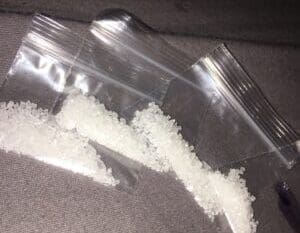
In illicit contexts, ketamine can appear in powder or crystalline form sometimes referred to colloquially as “rocks,” and may be consumed recreationally for its dissociative and hallucinogenic effects.
Why the Term “Local Ketamine Delivery” Is Risky
The phrase “local delivery” suggests distribution to consumers outside of legitimate clinical settings. Any service claiming to deliver ketamine for recreational use in the UK is operating outside the law. Such services:
- Are unregulated and illegal
- Have no quality control or dosage standards
- Can expose users to unknown contaminants
- May be fronts for larger organised crime activity
Law enforcement agencies actively monitor and pursue distribution networks that advertise controlled substances under the guise of delivery or convenience services.
The Legal Framework in the UK
Controlled Drug Classification
Ketamine is a Class B drug. The legal status means:
- Possession: Illegal without a prescription – up to 5 years’ imprisonment, an unlimited fine, or both.
- Supply and distribution: Illegal – up to 14 years’ imprisonment, an unlimited fine, or both.
- Import/export without licence: Illegal and subject to similar penalties.
Anyone considering involvement in the supply or distribution of controlled drugs, including delivery services, risks significant criminal liability.
Regulation of Medical Use
In clinical settings:
- Ketamine is administered by qualified professionals.
- Strict protocols govern dosage and monitoring.
- Use is recorded in medical records and subject to oversight.
These safeguards are absent in any illicit distribution model.
Health Risks Associated with Ketamine Use
Understanding the acute and long-term health effects is essential to public awareness.
Acute Effects
Recreational or unsupervised use can lead to:
- Dissociation and hallucinations
- Impaired motor coordination
- Confusion or panic
- Elevated heart rate and blood pressure
- Respiratory depression (especially when combined with other depressants)
- Risk of accidents or injury
Overdose Risk
Ketamine overdose can result in:
- Severe sedation
- Loss of consciousness
- Respiratory failure
- Potentially fatal complications
Emergency medical care is critical if overdose is suspected.
Long-Term Effects
Chronic misuse of ketamine can contribute to:
- Bladder dysfunction (ketamine-associated cystitis)
- Persistent abdominal pain
- Cognitive impairment
- Psychological dependence
- Mood disorders
These conditions can be debilitating and require long-term medical care.
Public Safety Concerns
Contaminants and Adulterants
Illicit ketamine obtained from unregulated sources may be:
- Mixed with other psychoactive substances
- Contaminated with toxins
- Unknown in purity and strength
This dramatically increases health risks.
Social and Economic Harm
Misuse of ketamine and similar substances contributes to:
- Strain on emergency and addiction services
- Increased risk of accidents and unsafe behaviour
- Criminogenic environments in affected communities
Communities benefit from awareness, harm-reduction, and proactive support services.
Harm Reduction: What People Should Know
While the goal of public policy is to reduce misuse, harm-reduction principles recognize that some individuals will still encounter controlled substances. Practical measures include:
- Never use alone; immediate help may be life-saving
- Avoid mixing substances, especially alcohol and opioids
- Be aware of dose variability
- Educate peers about risks
- Seek medical help for concerning reactions
If you or someone you know uses controlled substances, confidential support is available through NHS services and community health organisations.
The Role of Health Services
NHS and Addiction Support
The UK National Health Service (NHS) provides:
- Substance misuse support
- Mental health services
- Referral to specialist clinics
- Counselling and rehabilitation programs
Individuals seeking help should contact local NHS services or FRANK — the UK’s drug information and advice service.
Emergency Response
Call 999 immediately if:
- Someone is unconscious
- Breathing is irregular or absent
- They are unresponsive to stimulation
- There is suspicion of overdose
Timely medical attention can save lives.
Community Awareness and Prevention
Effective public awareness campaigns include:
- Education in schools and universities
- Community health workshops
- Online and social media campaigns about risks
- Support networks for families affected by drug misuse
Local health authorities often collaborate with police and community organisations to promote safe behaviours.
FAQ: Ketamine and Local Delivery Services
1. Is ketamine legal in the UK?
Ketamine is legal only for medical and veterinary use under controlled conditions. Recreational possession, distribution, or delivery is illegal and carries criminal penalties.
2. Are “local delivery” ketamine services legitimate?
No. Any service advertising ketamine delivery for recreational use is illegal and potentially harmful.
3. What are the penalties for ketamine supply?
Under the Misuse of Drugs Act 1971, supplying or distributing a Class B drug such as ketamine can result in up to 14 years’ imprisonment and an unlimited fine.
4. What are the health risks of using ketamine recreationally?
Recreational use can cause dissociation, cognitive impairment, bladder damage, psychological issues, and overdose. Risks increase when combined with other substances.
5. Can ketamine be addictive?
Yes. Although its physical dependence risk is lower than some other drugs, psychological dependence and harmful patterns of use can develop.
6. How can someone get help?
Contact the NHS, local substance misuse services, or FRANK for confidential support. Emergency services should be contacted in an acute health crisis.
7. What should I do if I encounter someone in danger from ketamine use?
Call emergency services immediately, stay with the person if safe, and follow dispatcher instructions until help arrives.
8. Are there safer alternatives if someone is struggling with pain or mood disorders?
Only a qualified healthcare provider can determine appropriate treatment. There are evidence-based therapies and medications for chronic pain and depression that do not carry the same risks as unsupervised ketamine use.
Conclusion
The concept of “local ketamine rocks delivery” may appear in social spaces as a convenience or novelty, but it is important to understand that:
- It is illegal in the UK to supply or possess ketamine outside medical contexts.
- Recreational use carries significant health risks.
- Illicit supply lacks quality control and increases danger.
- Public safety and health services are essential resources for individuals affected by drug misuse.
Public awareness, law enforcement, and health education work together to reduce the harms associated with controlled substances. If you or someone you know is affected by substance misuse, seek professional support without delay.
